Your Data: The Fuss and Why You Should Care
So what’s all the fuss about your data?
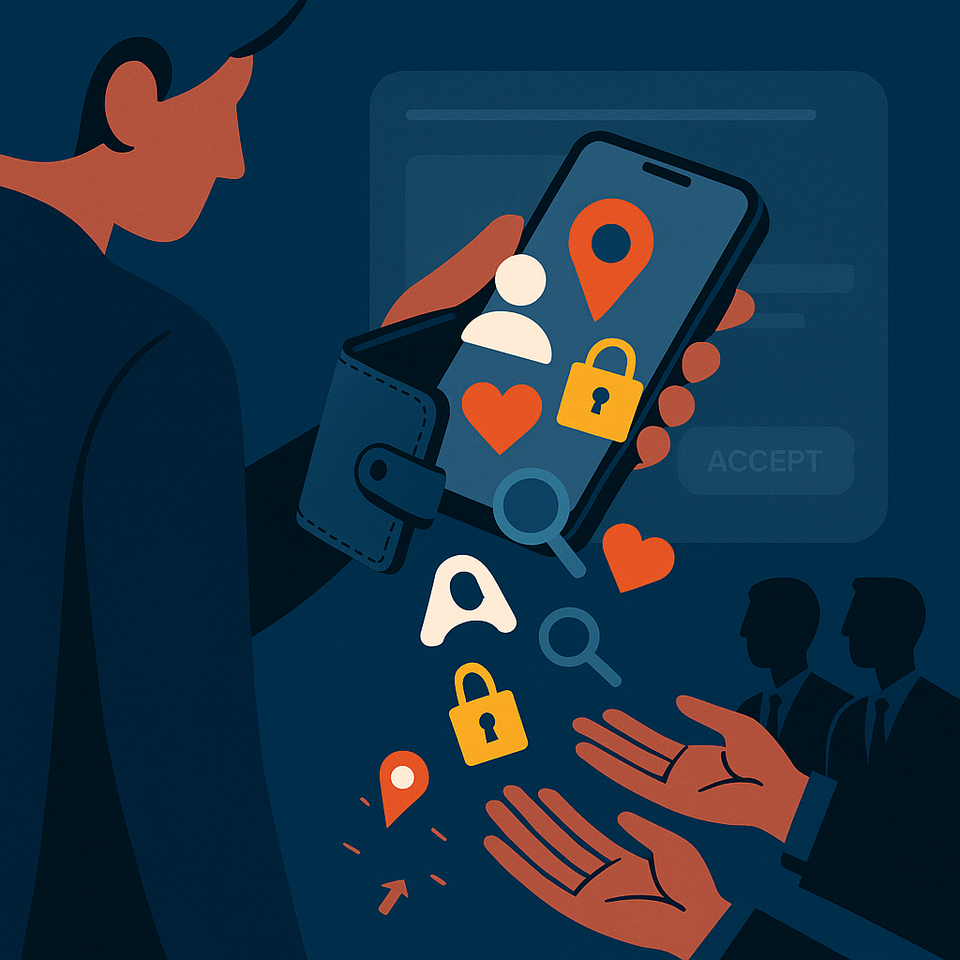
You unlock your phone. Check the weather. Scroll through your feed. You breeze past the cookie pop-up and hit “Accept All” without thinking twice.
No credit card. No Apple Pay. No cash.
But make no mistake, you’ve just paid.
You paid with your location, your scrolling habits, and your personal preferences.
That app didn’t need your money. It needed you.
Your patterns. Your behavior. Your data.
In Today’s World, Your Data Is Currency
Whether you realize it or not, you're spending it.
And it's shaping how companies see you, sell to you, track you, and even decide what you're allowed to see.
What counts as “data” anyway?
It’s not just your email address or phone number.
It’s how long you pause on a photo, the route you take home, your device type, the apps you delete, the time you sleep, the speed you type, and the tone of your voice.
If it says something about you, it’s data.
When someone else collects it, it becomes value.
Why Is It So Valuable?
Think of every piece of data as a puzzle piece. Alone, it might seem harmless.
Combined, they create a full picture of you:
- Your habits are marketed
- Your location is tracked
- Your attention span is optimized against you
- Your searches are profiled and sold to advertisers — or worse, data brokers
Companies don’t want your money.
They want your predictability.
Predictable people are easier to sell to, sway, and exploit.
“But I’m Not That Interesting…”
Here’s the thing: you don’t have to be.
It’s not about being rich, famous, or an influencer.
It’s about being connected — using a phone, going online, or just living in today’s digital world.
Even if you’re not streaming music or posting selfies, your everyday digital activity still creates value for others:
- Signing up for a free Wi-Fi connection? Your device ID and location may be logged
- Installing a basic mobile app? Some collect access to your contacts, photos, or even your microphone
- Clicking on a news article? That one action feeds into a profile of what you like and how you behave
Small actions add up.
Whether you’re a student, retiree, or small business owner — if you’re online, you’re generating data.
That data can then be collected, combined, and used — without your knowledge or benefit.
So no, you don’t have to be interesting.
You just have to be active.
“Free” Isn’t Free — You’re Just Paying Differently
When something online is free, the product is usually you.
That’s not a conspiracy — it’s the business model of the internet.
Advertising, personalization, and recommendation engines all run on you feeding the system with data.
Every time you:
- Say yes to every cookie
- Give apps unnecessary permissions
- Link all your accounts “for convenience”
…you’re spending.
You’re funding that “free” experience with your digital footprint.
So... What Can You Do About It?
You don’t need to become paranoid.
Just aware.
When you realize your data is currency, you start asking better questions like:
- Why does this flashlight app want access to my location?
- Do I need to log in with Facebook here?
- What happens when I post this?
Here are some small wins to get you started:
- Revisit your app permissions. Disable any access that doesn’t make sense for the app’s function.
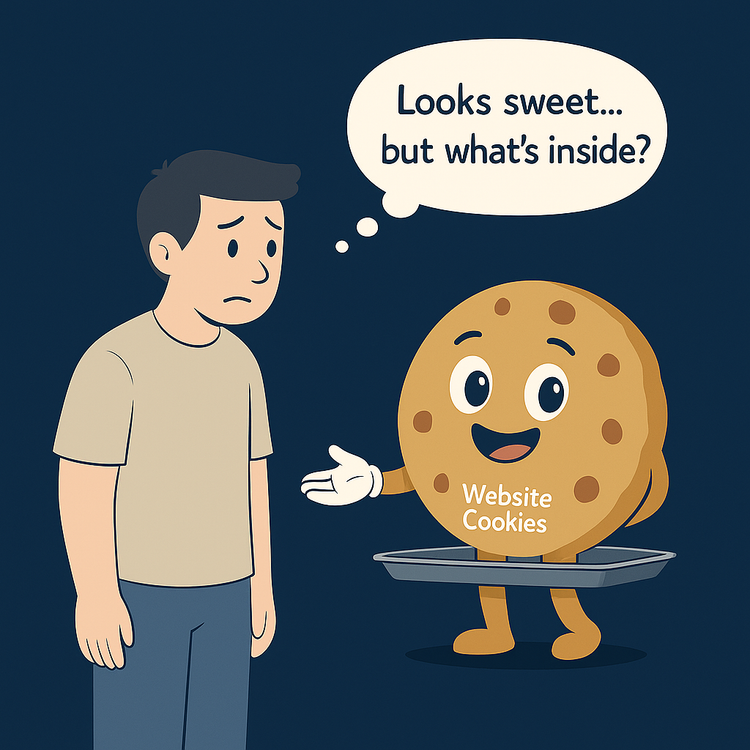
- Say no to unnecessary cookies. Hit “Manage” instead of “Accept All.”
- Use guest Wi-Fi with caution. Assume it’s watching your activity.
- Use different emails for different types of accounts. One for social, another for banking, and so on.
- If a service doesn’t need your location, don’t give it.
You don’t need to know everything.
You just need to start treating your data like it matters — because it does.
Privacy isn’t a one-time fix; it’s a mindset shift.
TL;DR: What’s the Fuss About Your Data?
- It’s not junk
- It’s not boring
- It’s not worthless
It’s valuable — and it’s being spent every time you go online.
Understand how it’s used, and take simple steps to stay in control.
Your data is currency. Start treating it like it matters.
Want a quick win with your data privacy?
We broke down how cookies track you — and what settings actually matter.
If you’re ready to stop blindly clicking “Accept All,” start here.