Strong Security Starts on Paper
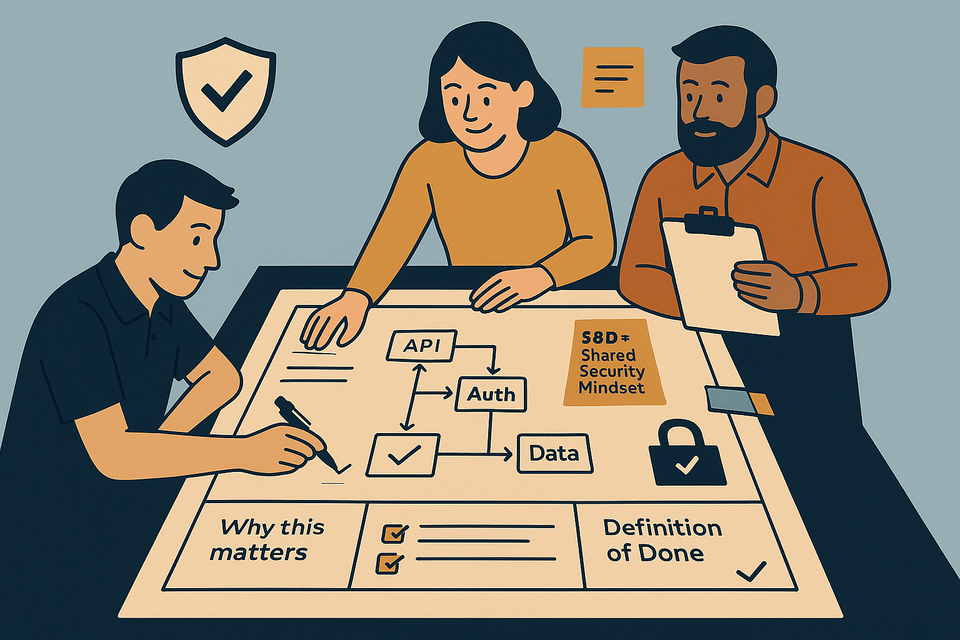
When deadlines loom, documentation is often the first thing to get squeezed. We tell ourselves, “We’ll write it later” or “It’s obvious how it works.” But documentation isn’t separate from the work — it’s how we do the work right, especially when security is on the line.
“Security by Design” is about building security in from the start — not bolting it on later. But building it in only works when people across the team share responsibility — and that’s the heart of a strong security culture.
What connects them both? Clear, accessible documentation. It’s how plans get translated into action, and how a shared commitment becomes a shared practice.
The Pitfall: Treating Documentation as a Post-Mortem
When documentation is left until the end — if it’s done at all — we miss its real value. This leads to:
- Missed Security Requirements: Verbal agreements and assumptions disappear.
- Inconsistent Implementation: Teams handle the same problem differently — some more securely than others.
- Knowledge Silos: Critical decisions live in people’s heads (until they leave).
- Painful Audits & Onboarding: Compliance and ramp-up become detective work.
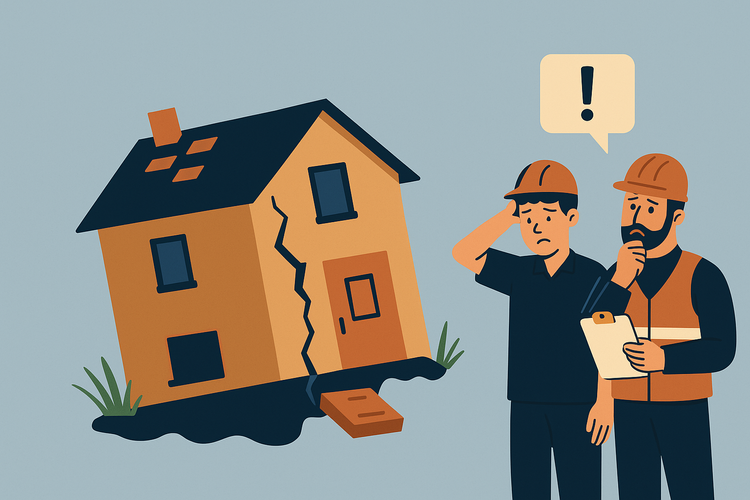
- Reactive Security: Late reviews uncover costly issues baked in from the start.
The Shift: Documentation as a Security Blueprint
Security by Design starts with planning. Documentation is that plan — the blueprint before the build.
It helps teams:
- Visualize Boundaries: Map out architecture, data flows, and entry points to reveal the attack surface.
- Capture Requirements: Document access controls, encryption standards, validation rules — not just features.
- Model Threats Early: Identify risks and mitigations before code is written.
- Standardize Practices: Share coding standards, approved tools, and secure configurations.
- Track Decisions: Log why controls were chosen or risks accepted — a record for the future.
When documentation leads, security is woven in — not added on.
Documentation Fuels Security Culture
Security culture thrives on shared knowledge and consistent practices. Good documentation makes that possible.
When decisions are written down — from how data should be handled to why controls exist — they become something the whole team can reference, not just remember. Documentation turns good practices into common practices, and gives everyone a shared language to make secure choices confidently.
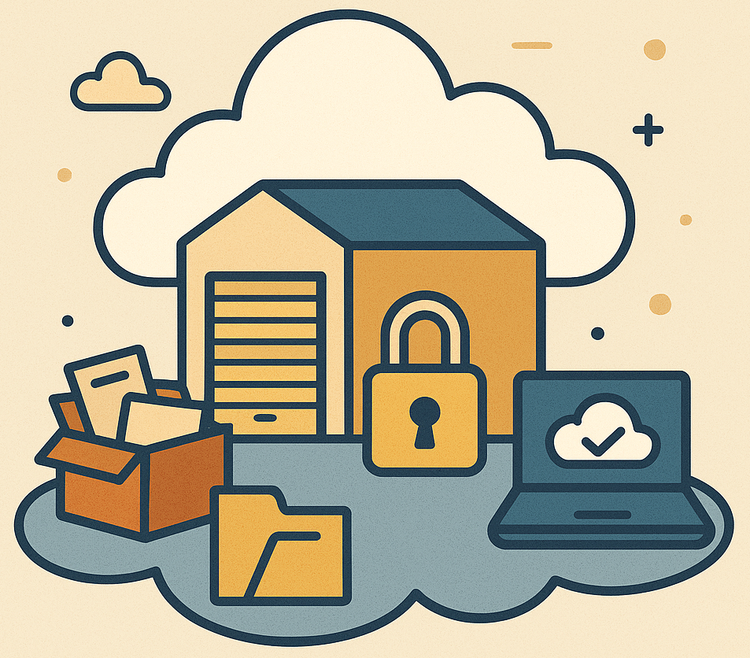
- Accessible: Shared across teams — not trapped in silos.
- Consistent: A single, trusted source of truth.
- Practical for Onboarding: Newcomers learn secure practices quickly.
- Transparent: Expectations and processes are clear.
- Empowering: Everyone knows how to make secure decisions, not just the security team.
Make It a Habit — Not an Afterthought
You wouldn’t build a desk and read the instructions after — that’s a recipe for frustration.
Security-focused documentation works the same way. It’s not an optional add-on at the end. It’s what helps things come together the right way, from the start.
But good documentation doesn’t just support one project — it builds long-term habits. When it’s woven into the way teams work every day, it helps security stick.
That’s where embedded documentation comes in.
Placed directly inside tools and workflows — like checklists in design docs, inline prompts in ticketing systems, or diagrams beside the code — it becomes part of the process. It supports better decisions in real time, not just during reviews.
Make it practical:
- Use clear templates and diagrams
- Keep it concise and focused
- Store it where everyone can find it
- Include it in your definition of “done”
- Treat it like code — update it with the system
- And above all: keep it current — outdated docs cause more harm than none at all
Write it Down to Do it Right
Documentation isn’t the thing you do after the work — it’s how you do the work right from the beginning.
It’s the foundation for both Security by Design and security culture.
It drives resilience, clarity, and a shared sense of ownership.
Next time you start a project, remember:
Writing it down isn’t paperwork — it’s protection.
📌This is just one layer of the story.
Read: Security Is Not an Add-On Feature — where we unpack what it means to treat security as part of the build, not a band-aid.